Forty-Eight Hours, Real Change: The Case for the Weekend Design Refresh

Photo: mohamed_hassan, CC0, via Wikimedia Commons
There is a persistent myth in American home culture: that real design requires real disruption. The sledgehammer, the dumpster, the six-week timeline, the five-figure invoice. We would like to formally object.
Some of the most dramatic room transformations we have witnessed cost less than a month of streaming subscriptions and took place entirely between a Saturday morning and a Sunday evening. The weekend refresh is not a consolation prize for those who cannot afford a renovation. It is a distinct design discipline — one that rewards decisiveness, favors labor over expenditure, and delivers the psychological payoff of a changed room without the overhead of a changed life.
Here is the framework, one weekend at a time.
Weekend One: Paint, the Highest-Leverage Move
Nothing in design delivers more transformation per dollar than paint. A gallon of quality paint runs $40–$70; rollers, tape, and drop cloths add another $30–$50.
Paint one wall a deep, saturated tone — a moody green, an inky blue — and the room's entire architecture shifts. Or go further: paint the ceiling, the most neglected surface in most homes, a soft tonal variation. Total investment: roughly $100–$150. Elapsed time: one afternoon of work, one evening of recovery.
Weekend Two: Rearrangement, the Free Renovation
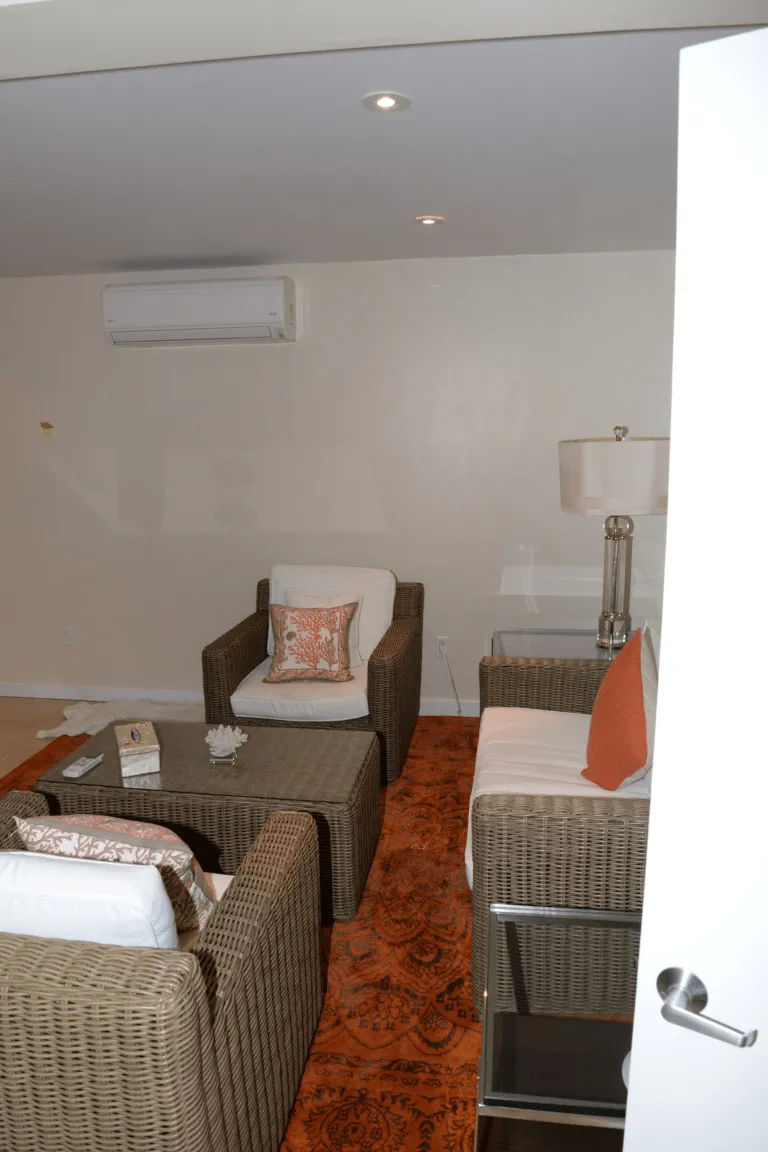
This weekend costs nothing, which is precisely why it is undervalued. Pull the sofa off the wall. Rotate the rug. Turn the armchairs to face each other instead of the television. Move the reading chair to the window it has always deserved.
Live with the new arrangement for a full week before judging it. Most people discover that the room's problems were never about what they owned, but about where it stood. Cost: $0. The only currency spent is a sore back and an open mind.
Weekend Three: Lighting, the Fastest Luxury
Swap the single overhead fixture for a layered scheme: two table lamps, one floor lamp, dimmable bulbs throughout. A respectable lamp from a home retailer runs $40–$90; a full three-lamp layering might total $150–$250.
The difference is immediate and slightly astonishing. Rooms lit at seated eye level feel warmer, larger, and more considered than rooms lit from above. If you change only one thing this year, change this.
Weekend Four: Textiles, the Tactile Layer
Curtain panels hung high and wide ($50–$120), a larger area rug ($150–$400), two or three substantial throw pillows ($20–$40 each), a throw blanket with actual weight ($40–$80). Total: $250–$600, and this is the weekend with the most flexible budget — buy the rug this month, the curtains next.
Textiles are how a room stops looking designed and starts feeling designed. They absorb sound, soften light, and invite touch.
Weekend Five: Styling, the Finishing Pass
The final weekend is editorial work: clear every surface, then restyle it deliberately. Three objects, varied in height, with breathing room between them. Art rehung at eye level — center at approximately 57 inches. One living thing, whether a plant or fresh stems from the grocery store ($10).
This weekend may cost as little as $50, mostly in frames and greenery. It is also the weekend guests will notice most.
The Arithmetic of Accessible Design
Spread across five weekends, the total investment lands somewhere between $550 and $1,050 — the cost of a single piece of new furniture, spread across two months of satisfying, visible progress. And because each weekend stands alone, the framework bends to real life: skip a week, resume the next.
The deeper argument is this: design is not a purchase. It is a practice. The homes we admire most are rarely the ones with the largest budgets; they are the ones where someone paid attention, one deliberate weekend at a time. Your room is waiting. So is Saturday.