Spaces That Heal: The Science and Art of Designing for Emotional Wellbeing
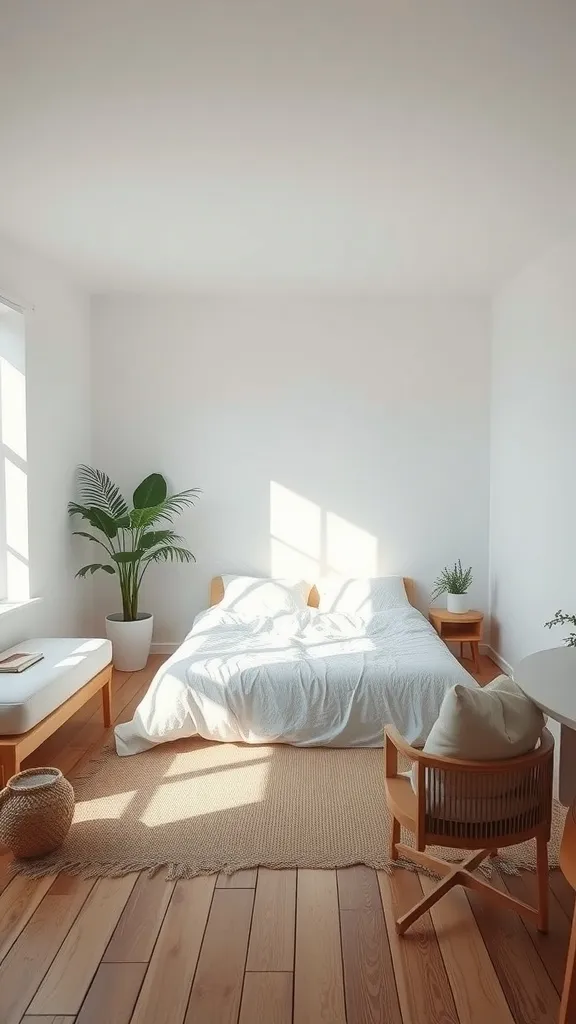
Photo: calm minimalist bedroom with natural light soft textures and plants, via dryerenthusiast.com
We rarely pause to consider that the room we wake up in each morning is already making decisions about our mental state before we do. The quality of light filtering through the window, the texture of the floor beneath our feet, the visual weight of furniture arranged around us — each of these elements sends signals to the brain that either calm or agitate, focus or distract. Interior design, at its most purposeful, is not merely the arrangement of beautiful objects. It is the careful orchestration of an environment that supports the person living within it.
At Decor Design Studio, we have long believed that the most successful spaces are those designed with the whole human being in mind — not just their aesthetic preferences, but their neurological needs. The emerging field of neuroaesthetics, along with decades of environmental psychology research, now gives designers and homeowners alike a remarkable toolkit for creating rooms that actively promote mental health and emotional wellbeing.
Light as a Regulator of Mood and Rhythm
Few design decisions carry as much psychological weight as the approach to lighting. Natural light, in particular, is not simply a visual preference — it is a biological necessity. Exposure to daylight regulates the body's circadian rhythm, supports serotonin production, and has been linked in multiple clinical studies to reduced symptoms of depression and anxiety.
When designing or redesigning a space with wellbeing in mind, the first question to ask is not what fixtures to install, but how natural light currently moves through the room throughout the day. South-facing rooms in the Northern Hemisphere receive consistent, warm light — ideal for spaces meant to energize, such as home offices or morning rooms. North-facing spaces, which receive cooler, more diffuse light, often suit creative studios or reading rooms where glare would be unwelcome.
For artificial lighting, the principle of layering is essential. A single overhead fixture flattens a room and creates visual monotony that can subtly elevate stress levels. Instead, combining ambient lighting with task-specific sources and softer accent lighting gives occupants control over their environment — and that sense of control is itself psychologically significant. Warm-toned bulbs in the 2700K to 3000K range are generally recommended for living spaces and bedrooms, as they support the body's natural wind-down process in the evening hours.
The Calming Architecture of Spatial Flow
Beyond light, the layout of a room communicates a great deal to the unconscious mind. Cluttered, obstructed pathways signal disorder and generate low-level anxiety. Open, intuitive circulation patterns, by contrast, allow the nervous system to relax into a space rather than navigate it with effort.
Leading environmental psychologists often reference the concept of "prospect and refuge" — a theory rooted in evolutionary biology suggesting that humans feel most at ease in spaces that offer both a clear view of their surroundings and a sense of sheltered protection. In practical terms, this means positioning seating with backs to walls rather than exposed to open space, allowing sightlines toward windows or doorways, and ensuring that furniture arrangements do not force occupants to feel cornered or exposed.
For those experiencing chronic stress or anxiety, rooms with clearly defined zones — a dedicated area for rest, a separate space for focused work, a distinct corner for leisure — provide psychological structure that mirrors the boundaries we benefit from in daily life. Even in a studio apartment, the thoughtful use of rugs, lighting, and furniture placement can delineate these zones effectively.
Material Textures and the Body's Response
Design engages the body through far more than sight. The materials we surround ourselves with communicate through touch, sound, and even smell — and these sensory inputs have measurable effects on psychological state.
Rough, natural textures such as linen, raw wood, unpolished stone, and handwoven wool activate what researchers describe as a grounding sensory response. These materials connect us, however subliminally, to the natural world — a connection that has been consistently associated with reduced cortisol levels and improved emotional regulation. This is one of the foundational principles behind biophilic design, a philosophy that incorporates natural elements, organic forms, and living materials directly into interior spaces.
Incorporating a reclaimed wood console, a stone vessel on a countertop, or a jute area rug is not merely an aesthetic choice — it is a decision to invite the restorative qualities of the natural environment indoors. Similarly, the acoustic properties of a room matter significantly. Hard surfaces amplify sound and increase cognitive load; soft furnishings, heavy drapery, and upholstered walls absorb noise and create an auditory calm that supports concentration and emotional ease.
Color as a Psychological Instrument
The relationship between color and mood is well-established in both clinical and design literature, though it is more nuanced than the simplified associations often cited in popular culture. Color does not affect every individual identically — cultural background, personal history, and even the specific shade and saturation all mediate its psychological impact.
That said, certain broad principles hold reliably across populations. Cool, desaturated tones — soft blues, muted greens, and gentle grays — tend to lower heart rate and create a sense of spaciousness and calm, making them well-suited to bedrooms and meditation spaces. Warm neutrals, including sand, terracotta, and warm ivory, foster a sense of safety and social comfort, supporting the kind of relaxed engagement that living rooms and dining areas call for.
For spaces intended to support productivity and mental clarity, a measured approach to contrast is valuable. A room without sufficient visual variation can dull cognitive engagement; one with too much contrast generates visual noise that fatigues attention. The most effective work environments tend to use a dominant neutral base with purposeful accents that provide stimulation without overwhelm.
Designing Intentional Retreat Spaces
Perhaps the most impactful decision a homeowner can make for their mental health is to designate at least one room — or even a portion of a room — as a space with a single, restorative purpose. In a culture that increasingly conflates rest with productivity and leisure with screen time, a deliberately designed retreat space sends a powerful signal to both the mind and body.
This might take the form of a reading nook with a deeply cushioned chair, layered textiles, and a small side table for a cup of tea. It might be a meditation corner defined by a low platform, a single plant, and a candle. The specific form matters less than the commitment to intentionality — to creating a space that asks nothing of you except that you rest within it.
At Decor Design Studio, we have observed time and again that clients who invest in even a modest version of this kind of retreat space report meaningful improvements in their relationship with their home. When a space is designed to receive you rather than demand of you, the psychological shift is immediate and lasting.
A New Standard for What Good Design Means
The measure of a well-designed room has always extended beyond its visual appeal. A space that looks stunning in photographs but generates low-grade stress in daily life has, in a fundamental sense, failed its occupant. As the conversation around mental health continues to evolve in American culture, so too must the criteria by which we evaluate the spaces we design and inhabit.
The most enduring interiors are those that serve the full humanity of the people within them — spaces that calm the nervous system at the end of a difficult day, that support focused thought when clarity is needed, and that offer genuine rest when the world outside demands too much. This is not a luxury aspiration. It is the standard every home deserves to meet.